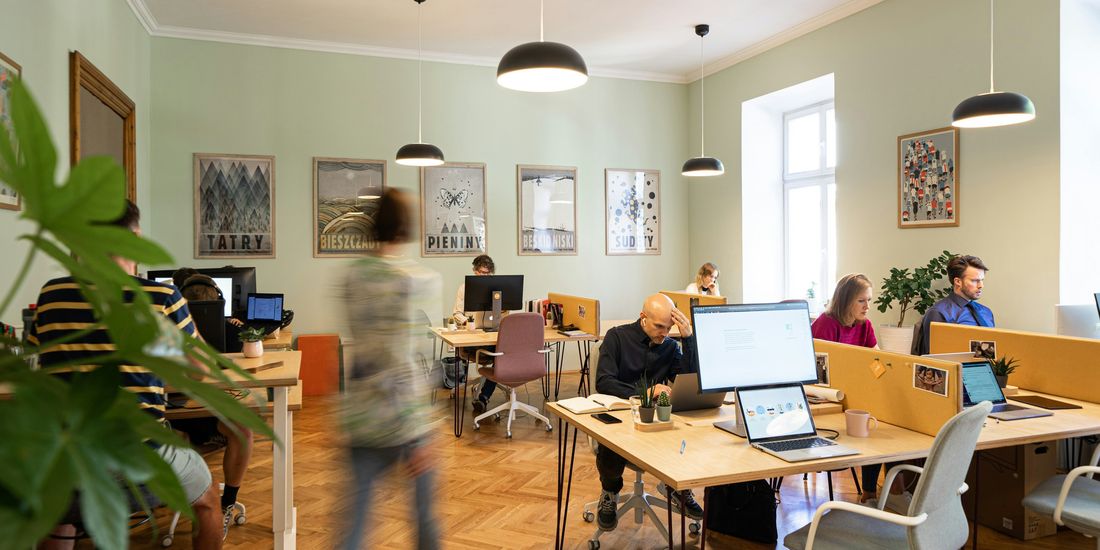
Top 5 ways to encourage movement during the workday
Small changes throughout the workday — from taking the stairs to tracking daily activity — can help create a healthier, more active office environment.
1. Take the Stairs
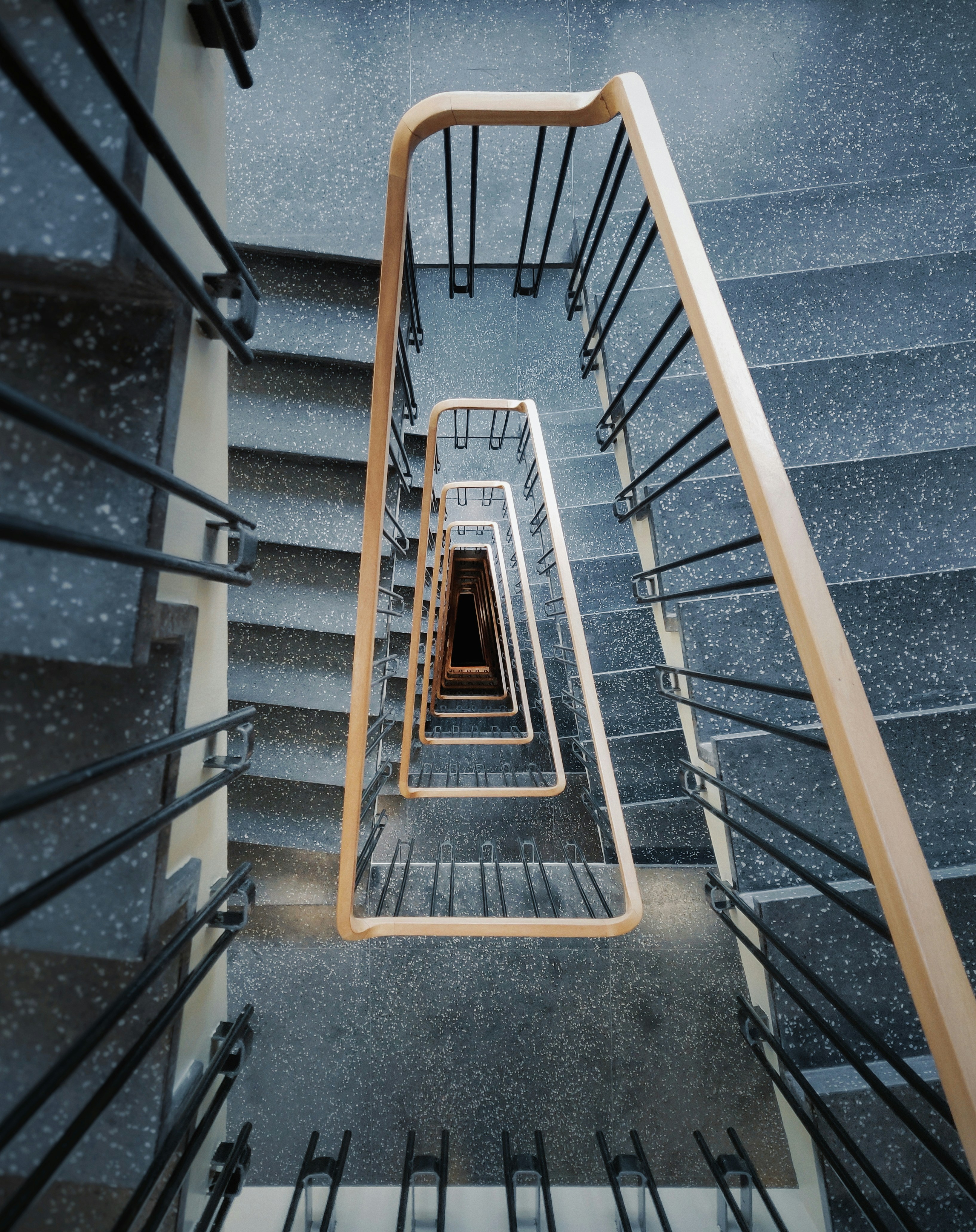
If your office has multiple floors, skip the elevator when possible and take the stairs. Even climbing one or two flights a day can help build healthier habits over time.
Research shows that promoting stair use throughout buildings can encourage short bursts of physical activity during the day. Features such as natural light, artwork, plants, music and visually appealing stairwells can make stairs more inviting and increase usage.
Start small by taking the stairs once a day, then gradually increase from there. These strategies reflect WELL Feature V03: Circulation Network, which encourages movement through thoughtful building design.
2. Make Your Commute More Active
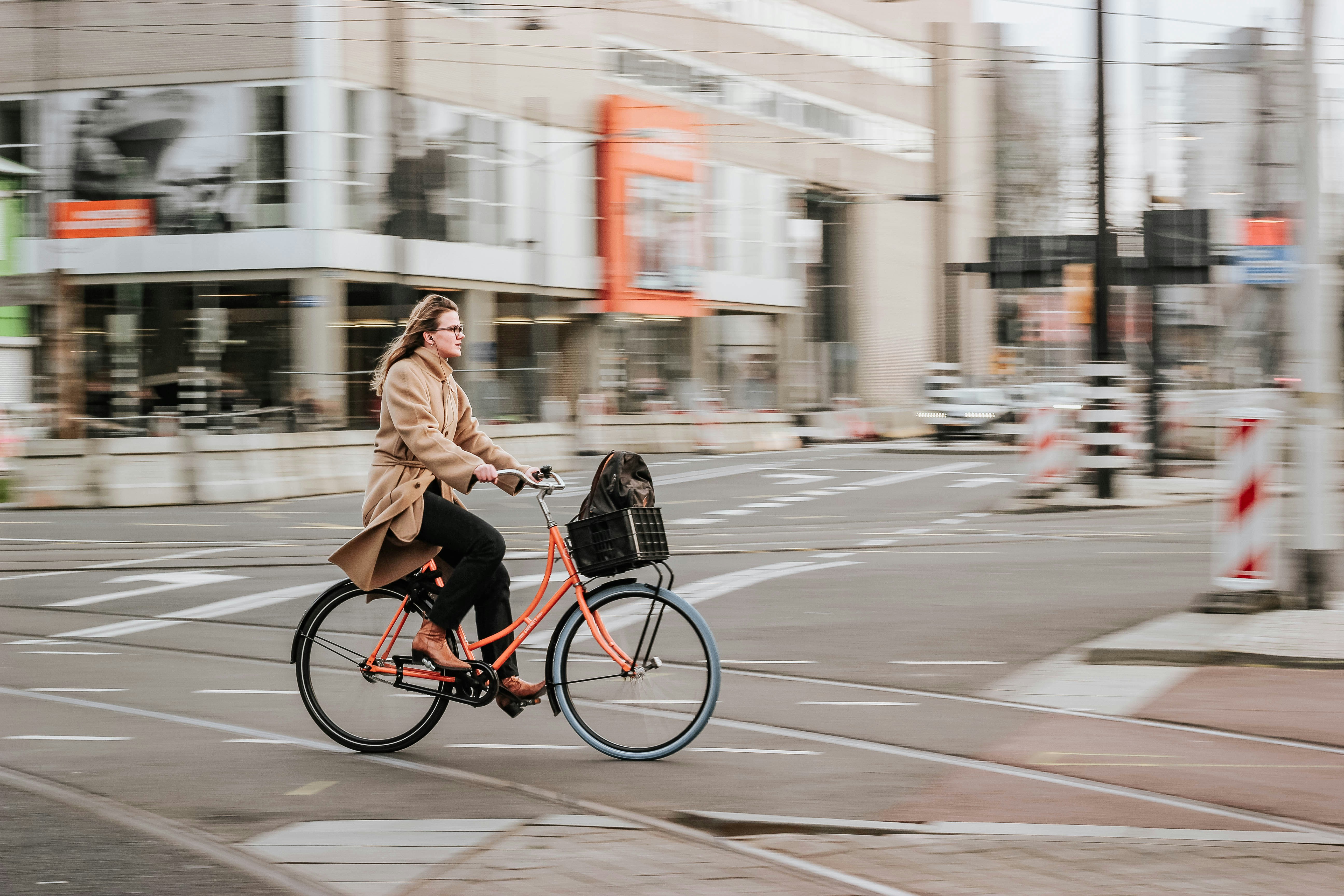
Your commute can be an easy opportunity to move more. If you live close enough, consider walking or biking to work. If that is not realistic, try parking farther away, getting off public transit one stop early or biking part of the route.
Workplaces that support active commuting with amenities such as bike storage, lockers and showers can help make these options more practical. Studies have linked cycling commutes to lower rates of cardiovascular disease, cancer and all-cause mortality.
These approaches align with WELL Feature V04: Facilities for Active Occupants, which supports movement through workplace amenities designed for active commuters.
3. Use an Active Workstation
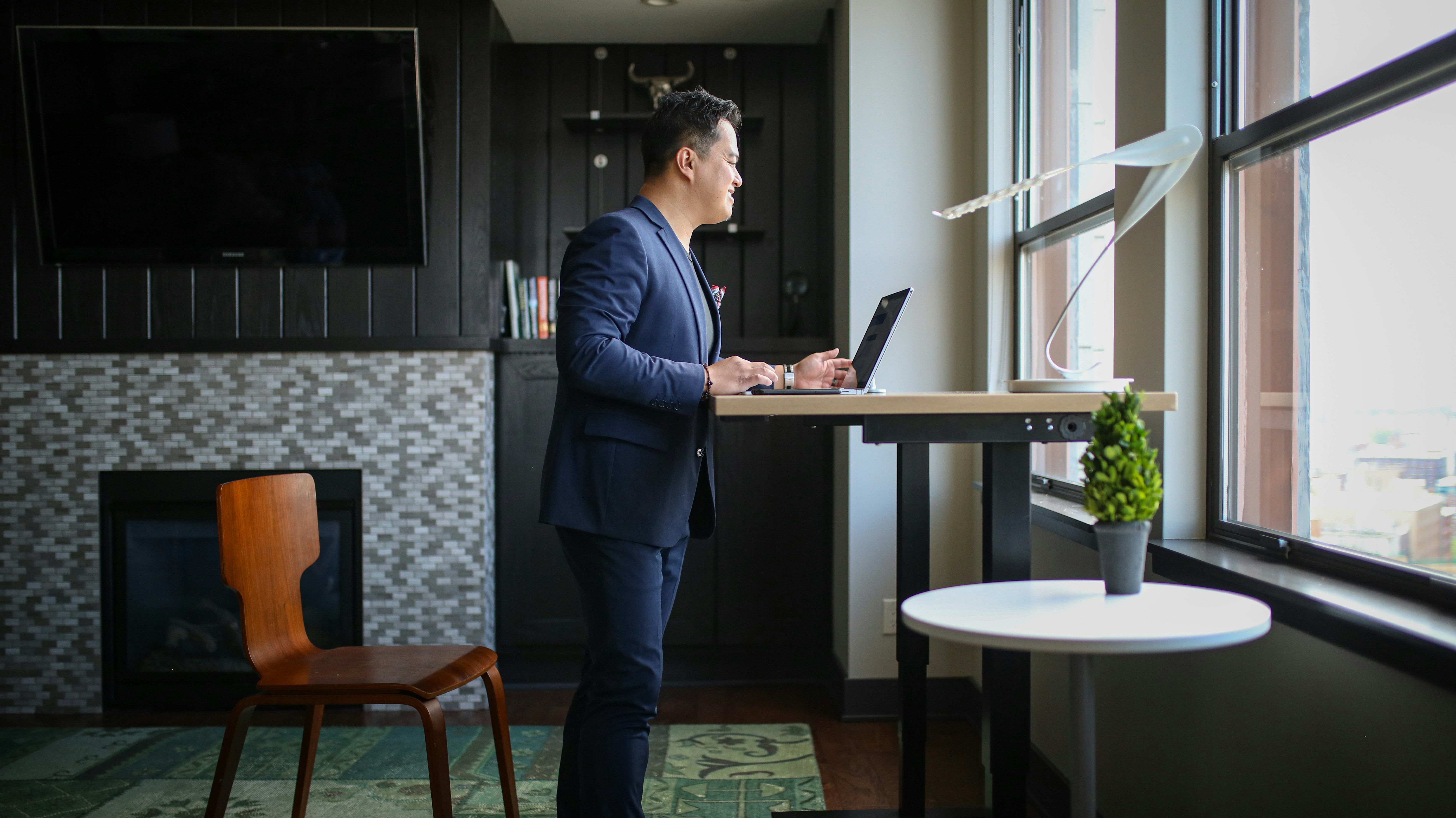
Alternating between sitting and standing throughout the day can help reduce sedentary time and encourage movement. Sit-stand desks are a simple way to change posture more frequently while working.
For additional movement, some offices offer treadmill or bicycle desks. Research suggests active workstations can decrease sitting time and increase energy expenditure without negatively affecting productivity in most cases. Pairing these workstations with reminders, coaching or movement prompts may help support long-term behavior change.
This strategy reflects WELL Feature V07: Active Furnishings, which promotes work environments that encourage movement throughout the day.
4. Join or Start a Workplace Movement Challenge
Movement can be more engaging when it becomes a team activity. Step challenges, walking meetings or department fitness competitions can encourage participation and create accountability among coworkers.
Research on workplace wellness programs shows that incentives tied directly to participation or activity goals are often more effective than passive perks alone. The most successful programs are tailored to the needs and preferences of employees rather than using a one-size-fits-all approach.
Even simple initiatives, such as tracking steps over a month, can encourage healthier habits and stronger workplace engagement. These ideas align with WELL feature V09: Physical Activity Promotion, which encourages workplaces to support ongoing movement and wellness initiatives.

5. Track Your Activity
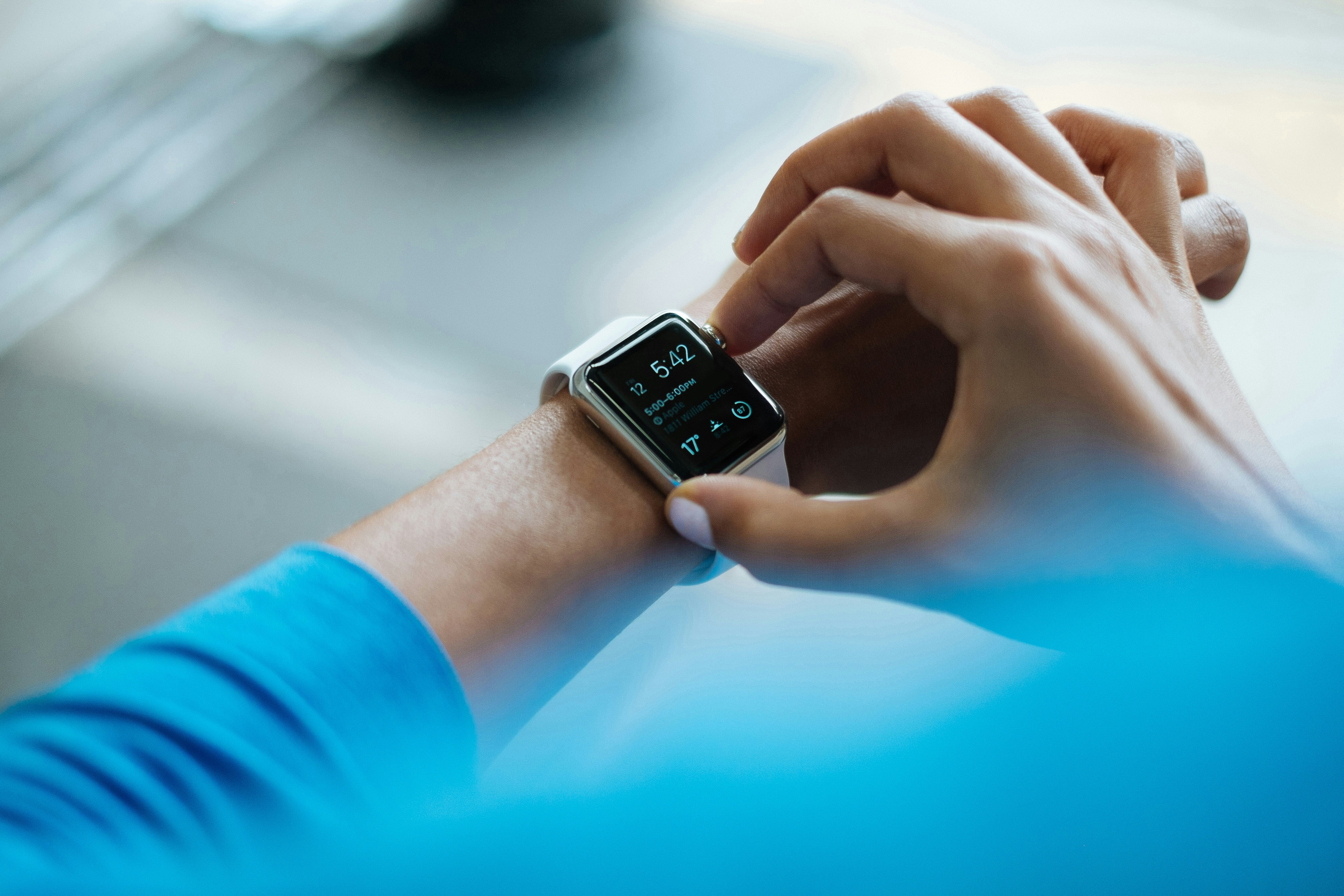
Fitness watches, pedometers and wellness apps can help you better understand your daily movement patterns and motivate you to stay active.
Studies show wearable activity trackers can increase physical activity, especially when combined with goal-setting or coaching. Step counters, in particular, have been associated with reductions in sedentary time among adults.
If your workplace offers subsidized wearable devices or wellness technology, consider taking advantage of those programs. Just be mindful of privacy and data-sharing policies before using employer-connected platforms.
These approaches reflect WELL feature V10: Self-Monitoring, which encourages the use of tools that help occupants track and improve physical activity and overall well-being.
Keep the Conversation Moving
If you would like to see more movement-focused features in your office, consider speaking with your manager, HR team, facilities staff or office manager about workplace wellness strategies and WELL solutions. Small environmental and behavioral changes can help support healthier, more active workdays for everyone.